🌍 World Economic Setup – Simple Summary
🧭 1. What is the World Economic System?
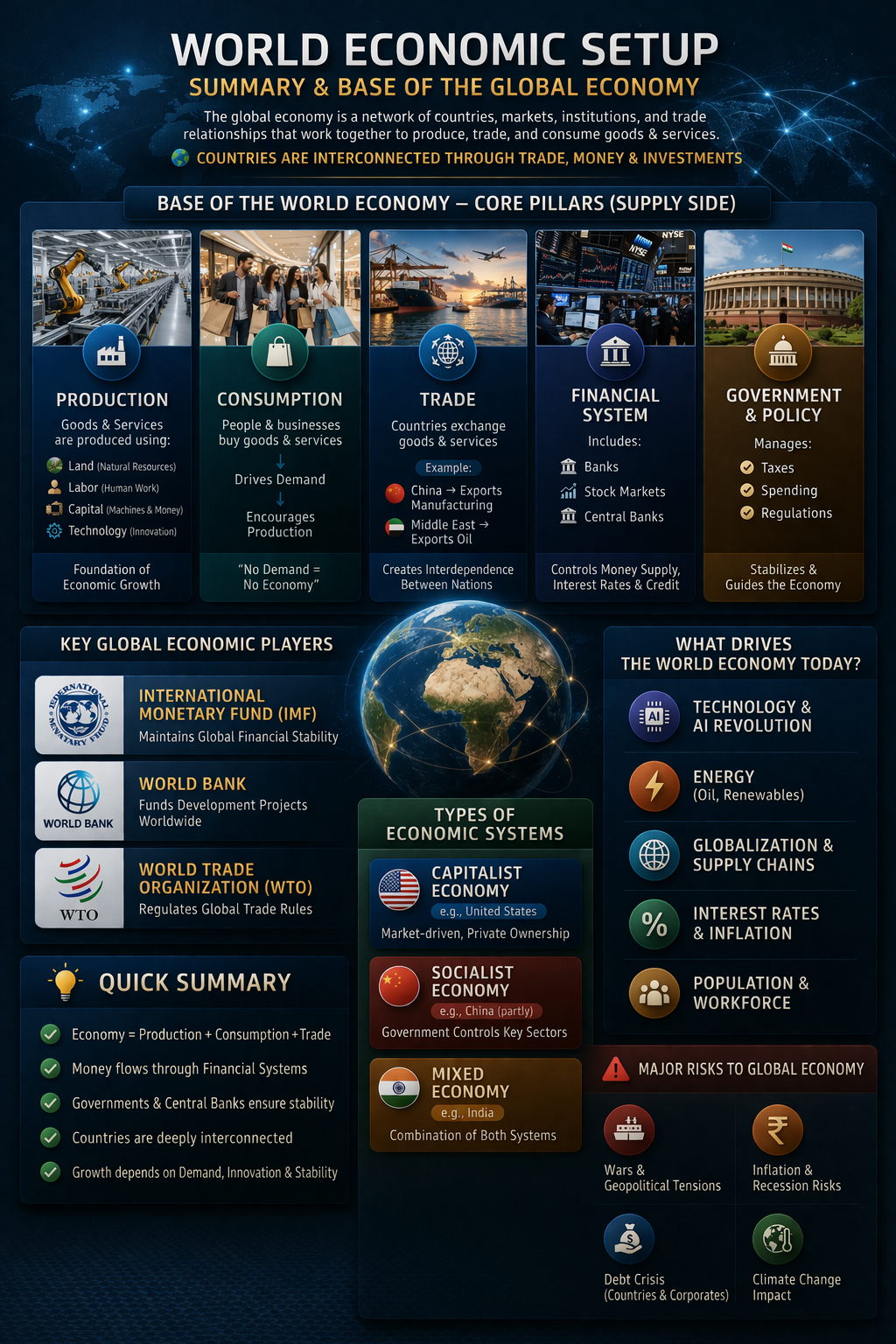
The global economy is a network of countries, markets, institutions, and trade relationships that interact to produce, distribute, and consume goods and services.
👉 In simple terms:
Countries are interconnected through trade, money, and investments.
🏗️ 2. Base of the World Economy (Core Pillars)
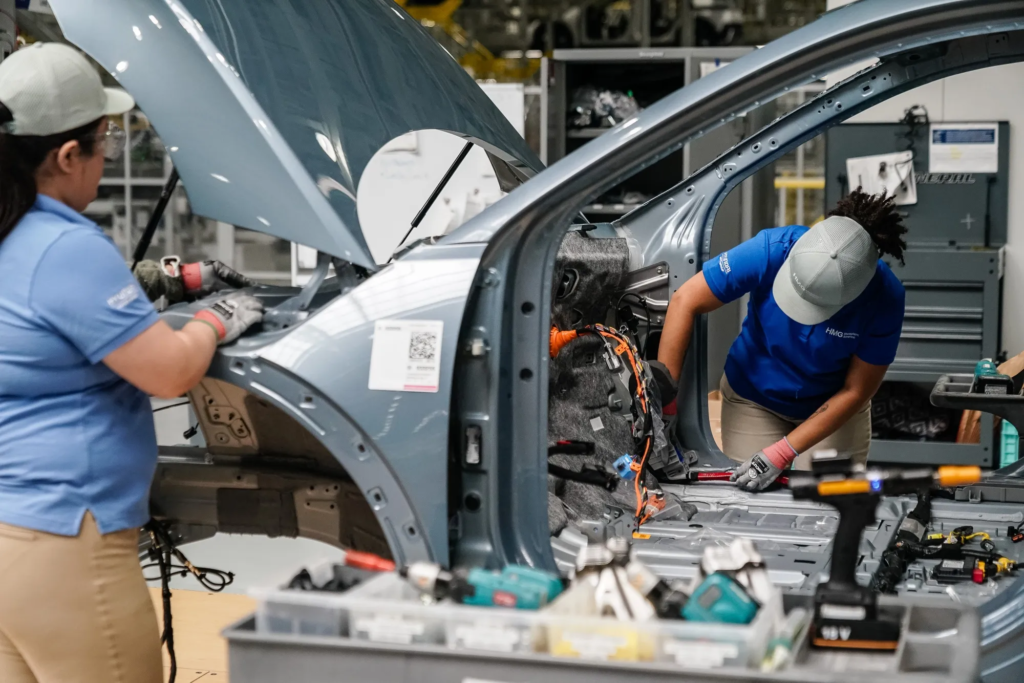
- Goods & services are produced using:
- Land (natural resources)
- Labor (human work)
- Capital (machines, money)
- Technology
👉 This is the foundation of economic growth
💰 2. Consumption (Demand Side)
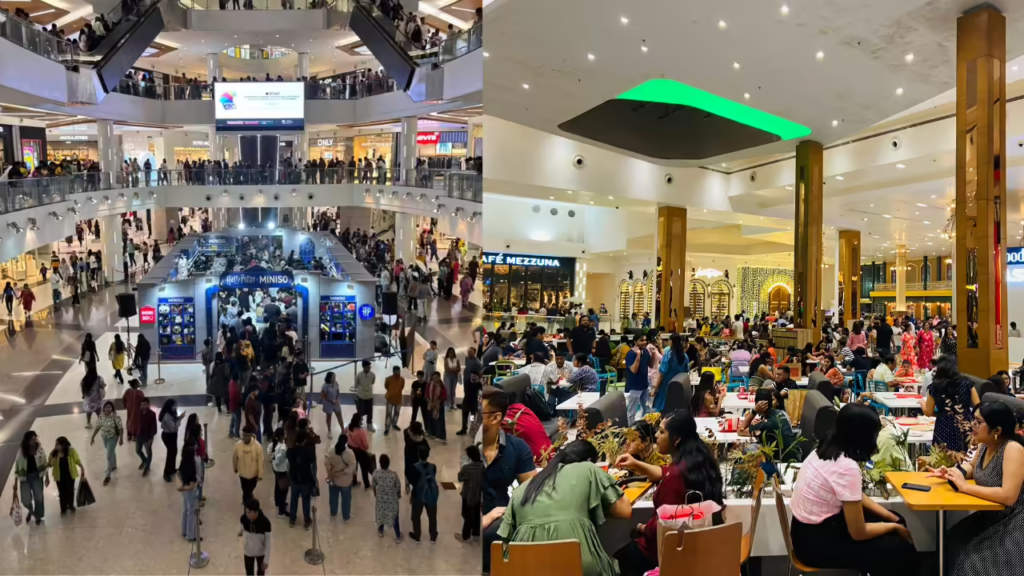
- People and businesses buy goods & services
- Drives demand → encourages production
👉 “No demand = no economy”
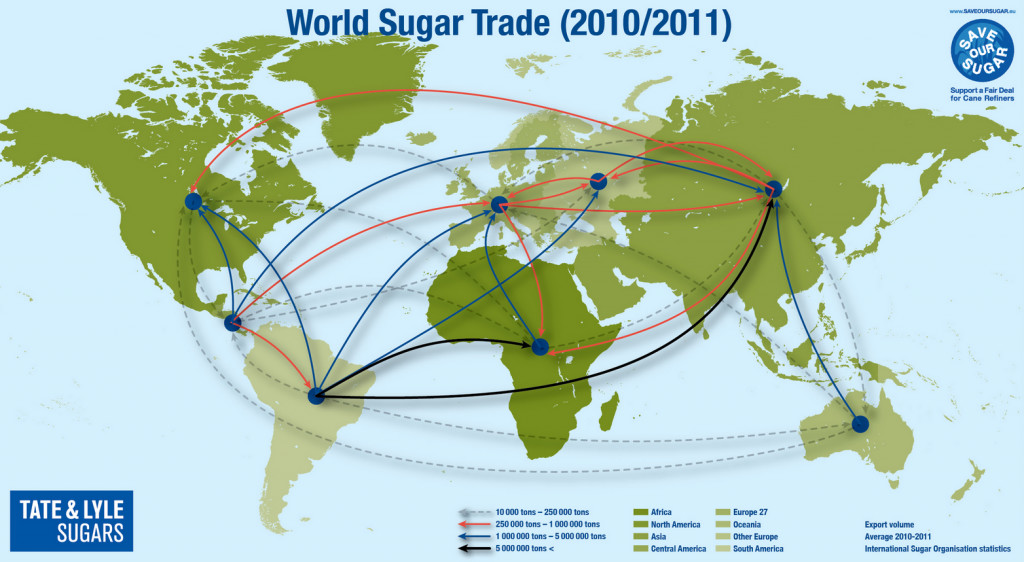
🌐 3. Trade (Global Connectivity)
- Countries exchange goods/services
- Example:
- China → exports manufacturing
- Middle East → exports oil
👉 Trade creates interdependence between nations
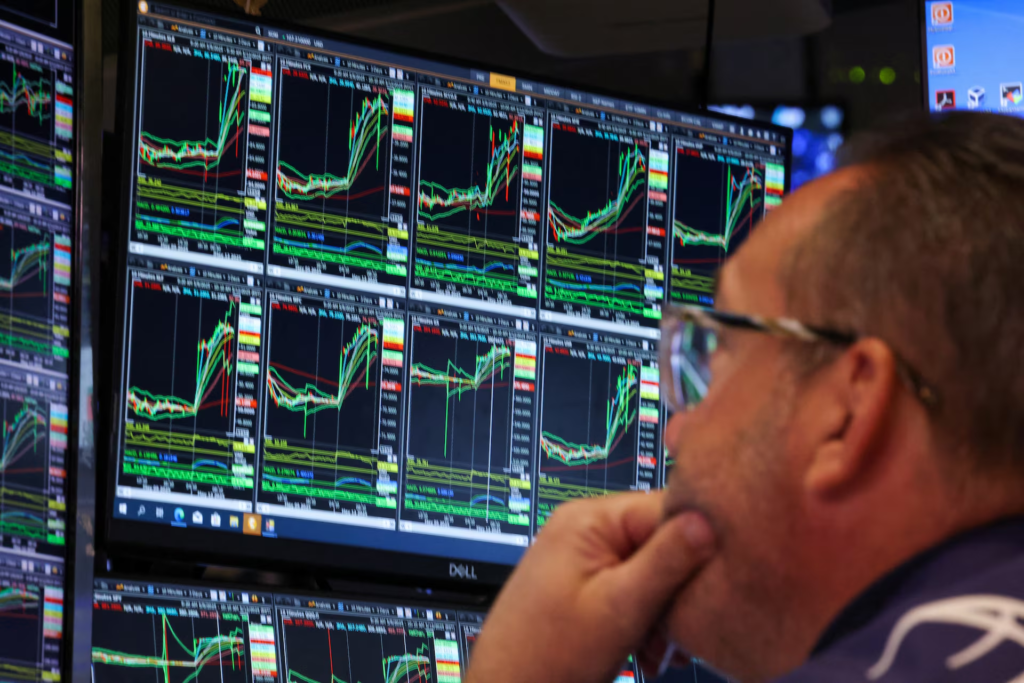
- Includes:
- Banks
- Stock markets
- Central banks
👉 Controls:
- Money supply
- Interest rates
- Credit flow
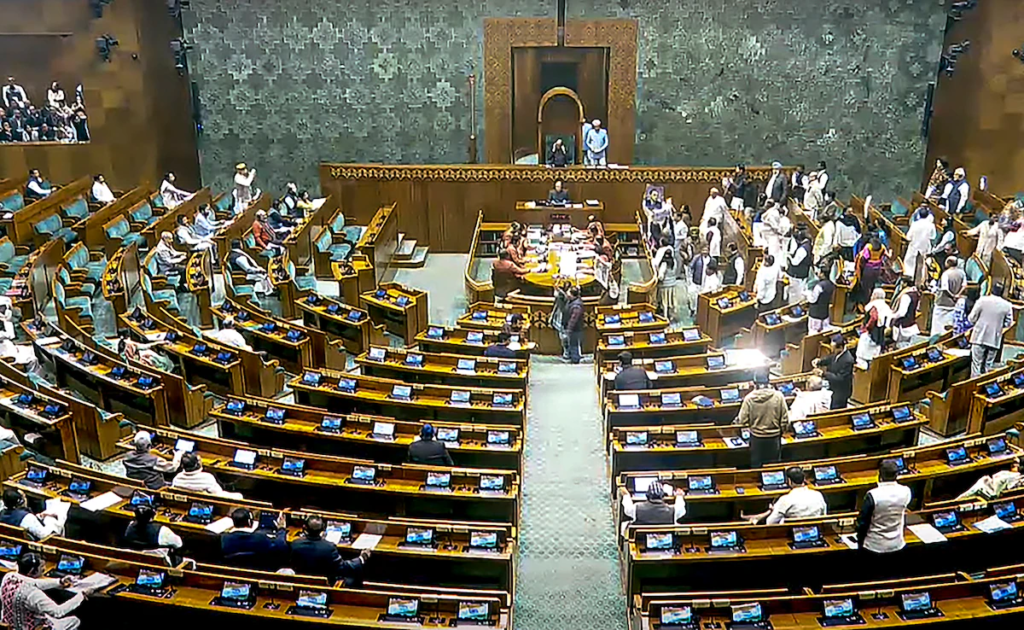
⚖️ 5. Government & Policy
Governments manage:
Taxes
Spending
Regulations
👉 They stabilize and guide the economy
🌍 3. Key Global Economic Players
- 🌎 International Monetary Fund – Maintains financial stability
- 🌐 World Bank – Funds development projects
- 📊 World Trade Organization – Regulates global trade
🔄 4. Types of Economic Systems
- Capitalist Economy (e.g., United States)
👉 Market-driven, private ownership - Socialist Economy (e.g., China partly)
👉 Government controls key sectors - Mixed Economy (e.g., India)
👉 Combination of both
📊 5. What Drives the World Economy Today?
- 📱 Technology & AI revolution
- 🛢️ Energy (oil, renewables)
- 🌍 Globalization & supply chains
- 💸 Interest rates & inflation
- 🧑🤝🧑 Population & workforce
⚠️ 6. Major Risks in Global Economy
- Wars & geopolitical tensions
- Inflation & recession risks
- Debt crisis (countries & corporates)
- Climate change impact