
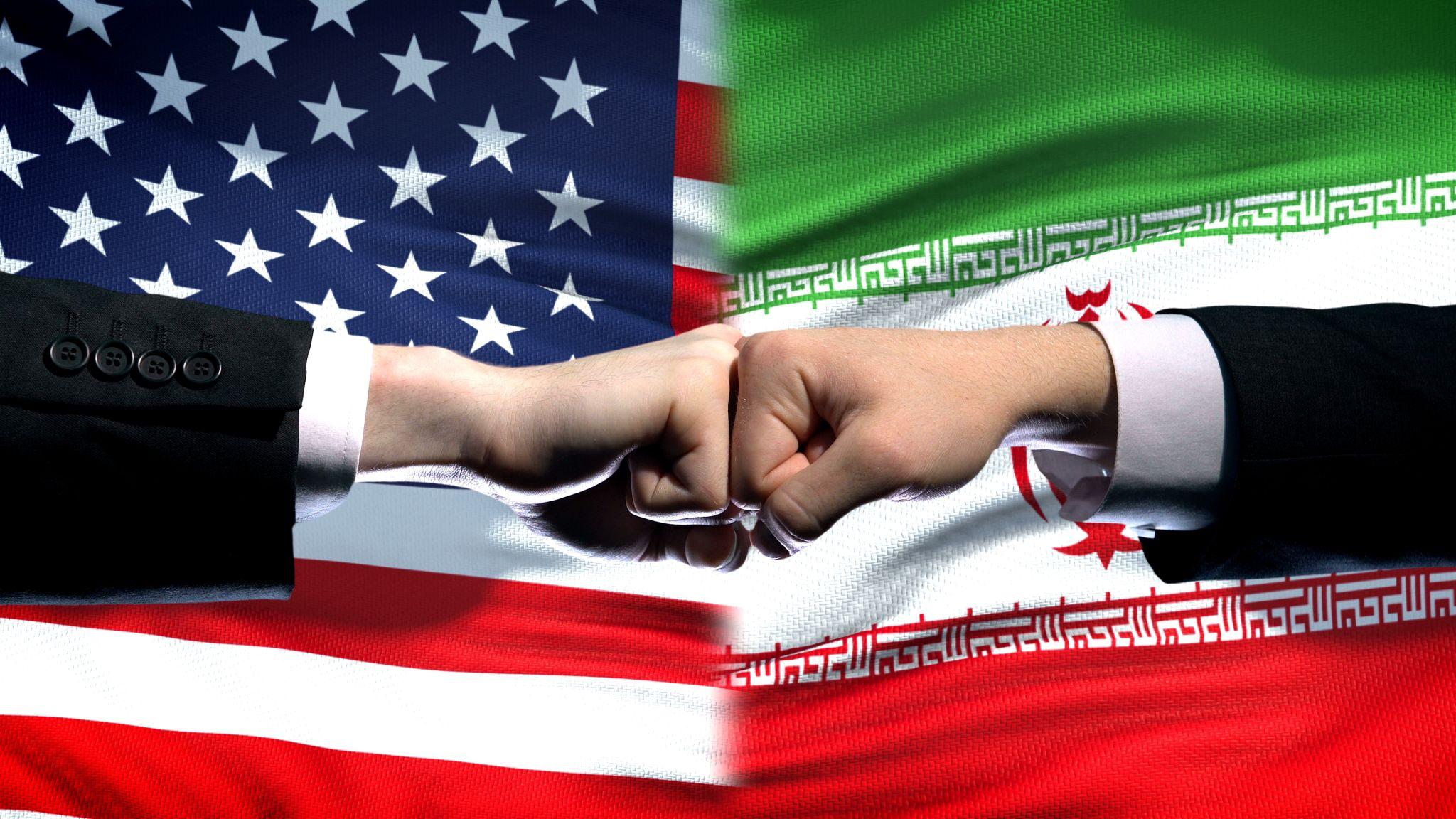
What Iran said
- Iranian state media and officials confirmed there are “no plans” to participate in further negotiations at this stage.
- Reports suggesting new talks (for example in Pakistan) were dismissed as false or unrealistic.
Why talks are not happening
Iran gave several reasons for refusing a second round:
- Excessive and unrealistic U.S. demands
- Frequent changes in U.S. positions
- Ongoing naval blockade and military actions, which Iran says violate the ceasefire
Recent incidents—like the seizure of an Iranian ship and tensions in the Strait of Hormuz—have made the situation worse.
Bigger picture
- A temporary ceasefire is already fragile and close to expiring.
- The collapse of talks is pushing global oil prices higher due to fears of supply disruption.
- Both sides are still leaving the door slightly open to diplomacy—but trust is very low.
What it means
In simple terms:
👉 Negotiations are stalled, not permanently cancelled
👉 Tensions remain very high
👉 Risk of further conflict or economic impact (like oil prices) is increasing